Key Takeaways
- People live on their phones. If your ads aren't built specifically for a six-inch screen, you are actively burning money.
- Standard banner ads are basically dead. You need vertical video, playable ads, or native formats that don't annoy the user.
- Tracking the right metrics is everything. You have to watch your cost-per-install and retention rates to know if your campaigns are actually turning a profit.
Everyone stares at their phones all day. But most businesses still run ads like it is 2012, dumping clumsy desktop banners onto mobile screens and wondering why nobody clicks. Mobile advertising is an entirely different beast. The attention spans are shorter. The ad blockers are ruthless. If you interrupt someone's scrolling with a slow-loading popup, they will close your page instantly. You have to catch them fast, offer something they actually want, and get out of the way.
What is Mobile Advertising?
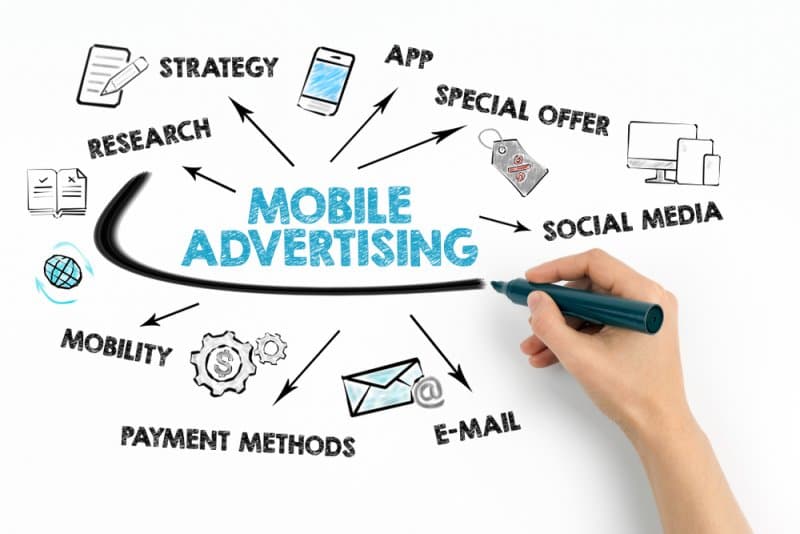
It is any paid marketing meant specifically for smartphones and tablets. It covers everything from text promos in a search browser to a video that pops up between levels of a mobile game. You are buying a few seconds of attention right where people spend all their time.
Understanding the Different Types of Mobile Advertising
You can't just slap a billboard on a phone screen. You have to pick the right format, or people will just ignore you entirely.
In-App Video Ads
These are the absolute gold mine. People are already locked into an app, and you get a few seconds of pure motion and sound to hook them. Keep it incredibly short, or they skip.
Native Advertising
These blend right into the feed. They look exactly like a normal social media post or news article. Users click them because they don't look like sketchy promotional spam.
Playable Ads
Massive for gaming companies. You literally let the user play a tiny slice of your game inside the ad itself. High engagement and incredible conversion rates.
Push Notifications
Highly risky, but they work if you get permission. You ping the user's home screen directly with a flash sale. Do it too much, and they delete your app immediately.
Tips to Build a Strong Mobile Advertising Strategy
Going in blind guarantees you will burn cash. You need a mobile advertising strategy built to hunt down actual buyers.
Build for Vertical Screens
Stop shooting widescreen videos. Nobody turns their phone sideways to watch an ad. Shoot everything in vertical orientation so it fills the entire screen.
Nail the First Three Seconds
Mobile users scroll fast. If your video starts with a slow fade-in or a boring logo, they are already gone. Hit them with the main hook immediately.
Segment by Device
Android users and iPhone users buy differently. Break your campaigns up by operating system and device model so you can bid aggressively on the groups that actually convert.
Track the Post-Click Action
Getting a click means nothing. You need to know what happens after. Track your cost per install and see if those users actually open the app or buy something a week later.
Best Mobile Advertising Platforms to Maximize ROI
Don't reinvent the wheel. Plug your creative into the mobile advertising platforms that already dominate the market.
Meta Ads
Still the best platform for mobile advertising. The targeting algorithm is scary accurate, and Instagram Reels are a massive driver for impulse product sales.
Google App Campaigns
The ultimate tool for getting app downloads. You feed Google some text and images, and their machine learning figures out where to place them across Search, YouTube, and the Play Store.
TikTok Ads
If you want cheap reach and you know how to make lo-fi, user-generated content, this is where you go—high volume and an incredibly engaged mobile-first audience.
Apple Search Ads
Perfect for catching high-intent buyers. You bid to show up at the exact moment someone is typing a keyword into the App Store search bar.
Conclusion
The days of cheap, sloppy banner ads are completely over. Users are way too smart, and their thumbs are way too fast. If you want to survive in this market, you have to respect the platform. Shoot vertical videos, get to the point in two seconds, and track every single dollar you spend. Mobile advertising requires constant testing and ruthless budget cuts when things stop working. Stop treating phones like tiny desktop computers. Build campaigns meant for the swipe-and-scroll generation, feed the algorithms clean data, and watch your revenue actually start moving in the right direction.
Frequently Asked Questions
What is mobile advertising, and how does it work?
It is paid marketing targeted squarely at smartphones. It works through high-speed automated bidding. When you open a mobile site or app, an ad exchange instantly auctions off your screen space to advertisers based on your browsing history and location data.
What are the different types of mobile advertising?
You have standard banners, unskippable videos, native ads that look like regular posts, and playable ads where you interact with a mini-game. The format you choose completely depends on what app or site the person is currently using.
How to create an effective mobile advertising strategy?
Stop recycling old desktop ads. You need to shoot vertical videos, put your absolute strongest hook in the first three seconds, and target specific devices. After that, you ruthlessly track the actual cost per purchase to see if the campaign is profitable.
How do Apple's privacy updates affect mobile ad tracking?
The tracking update forced apps to ask for permission before following users across other sites. Most people say no. This broke many targeting algorithms, forcing advertisers to rely more on broad targeting rather than hyper-specific personal tracking.
Why are playable ads so effective for gaming apps?
They bypass the guessing game. Instead of hoping a user likes the concept of your game from a video, you let them actually try it. It drops the friction down to zero. If they enjoy the quick demo, they click download.
Can local businesses actually benefit from mobile campaigns?
Absolutely. You can run geofenced campaigns that only trigger when someone walks within a mile of your store. Serve them a quick coupon on their phone while they are literally down the street, and foot traffic spikes almost instantly.