Key Takeaways
- Running ads on pure keyword matching is dead. Modern platforms use machine learning to predict exactly what users want before they even finish typing.
- Automated bidding algorithms crunch millions of data points in real time to secure ad placements that actually convert.
- You cannot just set and forget these campaigns. You have to feed the system high-quality data and aggressively monitor the analytics.
The digital ad space is brutal right now. The traditional search engine results page is transforming, and if you ignore this shift, you are going to get left behind. If you are still manually tweaking bids and guessing which keywords might trigger a sale, you are burning your budget. Buyers do not search in fragmented keywords anymore; they ask massive, highly specific questions to conversational engines. AI Search Advertising completely flips the script on how you reach these buyers. Rather than dumping ad spend on random search terms and hoping for the best, you let the algorithms step in. They catch buyers the exact second they decide to make a purchase.
What is AI Search Advertising?
It’s essentially a robotic media buyer. Instead of just looking at the literal words someone types, the system looks at the bigger picture—what device they are on, where they are sitting, and what they looked at yesterday. It uses that context to drop a highly specific ad right into their search results. The days of manually guessing what your audience wants are over.
How Does AI Search Advertising Help Businesses?
Nobody wants to spend their Tuesday manually tweaking keyword bids by five cents. Handing the grunt work over to an algorithm gets your team out of the spreadsheets. When the software takes over the tedious data-crunching, your marketing crew actually gets the time to do their real jobs: coming up with better hooks, writing sharper copy, and building a brand that people actually care about.
Total Workflow Automation
You do not need to sit there tweaking audience segments manually. The technology handles the heavy keyword optimization and audience targeting, freeing you up to actually focus on high-level growth.
Ruthless Budget Efficiency
Throwing cash at broad audiences burns money. By reading deep user intent, the system ensures your budget only goes toward people who actually have their credit cards ready.
Instant Real-Time Pivots
The market shifts every single hour. These algorithms never sleep, constantly monitoring your active AI advertising benefits and instantly adjusting bids to secure the cheapest possible conversions.
Tips to Create a Strong AI-Powered Search Advertising Campaign
You cannot just turn the machine on and expect it to print money. You have to feed the system the right constraints and data so it knows exactly who to target. If you set the wrong parameters, the algorithm will efficiently burn through your cash without generating a single qualified lead.
Feed It Flawless Data
The algorithm is only as smart as the information you give it. You have to upload clean customer lists and accurate conversion tracking so it can learn exactly what a paying customer looks like.
Check Broad Match
Stop restricting the machine with exact keyword limits. Use broad match settings combined with aggressive negative keywords so the AI can hunt down profitable search queries you never even thought of.
Consolidate Your Ad Groups
Splitting your budget across fifty tiny campaigns starves the system of data. Group your assets together so the algorithm has enough volume to figure out what works and what fails.
How to Build a Strong AI Advertising Strategy?
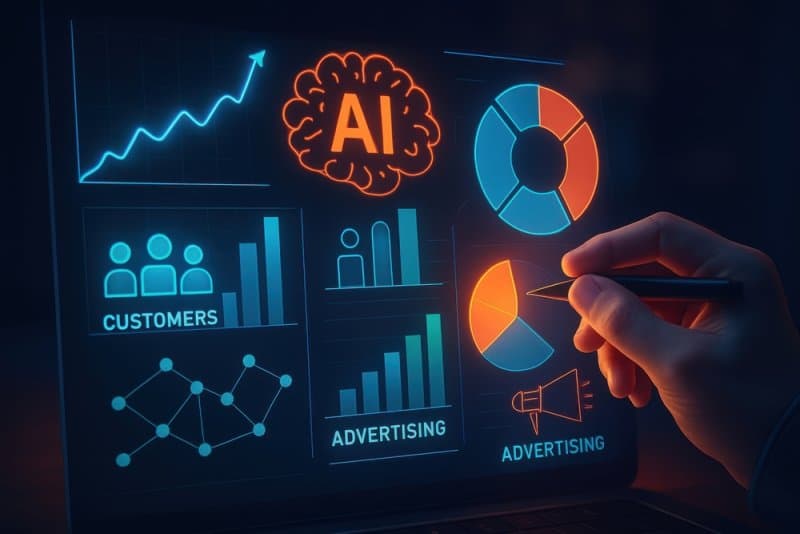
Winning the long game requires an aggressive AI advertising strategy that adapts to how people actually use modern search engines. You have to look past the click and focus on the entire user journey. You cannot just copy your old keyword lists and expect the machine to fix your conversion rates overnight.
Target Conversational Intent
People are asking long, complex questions to AI platforms. You have to build ad copy that directly answers those highly specific problems instead of just repeating rigid keywords.
Diversify Across Engines
Google is not the only player anymore. You need to position your brand across emerging AI advertising platforms like Perplexity and Copilot, where sponsored answers are starting to dominate.
Test Creative Relentlessly
The machine handles the bidding, but you still have to supply the hook. Constantly feed the system new headlines and images so it can mathematically determine which creative combination drives the most sales.
Conclusion
The days of manually adjusting bids and guessing at keyword volume are completely over. If you refuse to adapt, your competitors will use machine learning to outbid you, out-target you, and steal your customers right out from under you. AI search advertising is the new baseline for digital survival. You have to embrace the algorithms, feed them clean data, and let the machines do the heavy lifting. You need to stop fighting the automation and start using it to outsmart your competition.
Frequently Asked Questions
What is AI search advertising, and how does it work?
Think of it as a media buyer that never sleeps. Instead of just looking for exact keyword matches, the system looks at tons of background signals—like what time it is or what device the person is holding. It uses that context to drop your ad right in front of them, right when they are actually ready to buy.
How does AI-powered search advertising differ from traditional PPC?
Old-school PPC forced you to sit around guessing which keywords might work and constantly tweaking your bids by a few cents. The AI version does all that heavy lifting for you. It adjusts your bids on the fly based on real-time data, basically guaranteeing you show up for the people who actually want to spend money.
What are the benefits of AI search advertising for businesses?
It gets your team out of the spreadsheets. When the software takes over the boring stuff like audience grouping and bid changes, your cost per lead drops. Plus, your actual marketing crew gets their time back so they can focus on writing better copy and coming up with fresh campaign ideas.
Will automated ad platforms eventually replace human marketers entirely?
Not a chance. The software is great at crunching numbers, but it has zero street smarts. You still need a real person to set the budget, write the actual ad hooks, and keep an eye on the dashboard so the machine doesn't accidentally blow your whole budget on useless clicks.
How do smart bidding algorithms handle sudden shifts in market trends?
They pivot instantly. If a random product blows up online at 2 AM, the software notices the traffic spike immediately and shifts your ad spend over to catch the wave. A human would never be able to catch that shift fast enough to capitalize on it.
Can small businesses actually compete with massive brands using these tools?
Absolutely. In fact, it levels the playing field. Because the AI optimizes for intent and relevance rather than just sheer budget size, a highly targeted local campaign can easily steal ad placements from a massive corporation that is running sloppy, generalized ads.