
Alright, let’s dive into the magical world of DSPs, or Demand-Side Platforms, for those who don’t live and breathe digital advertising acronyms. If you’re an advertiser, a DSP is like your superpower—it helps you run ad campaigns smarter, faster, and with way less hair-pulling. Think of it as the command center for your digital ads, working tirelessly in the background to make sure you’re not just tossing your ad dollars into the abyss of the internet. So, grab a coffee (or something stronger; we won’t judge), and let’s unpack how DSPs can make your campaigns sing.
What Exactly Is a DSP?
Okay, let’s keep this simple. A DSP is a tool that enables the direct purchase of advertisements from an inventory, which could encompass websites, mobile applications, and streaming services. But it’s not merely a matter of buying ads; it is about buying them, if you will, in the most efficient way possible. Instead of negotiating directly with each publisher (because who has time for that?), the DSP handles it for you, often in real time. Think of it like booking a vacation. You could call every airline, hotel, and car rental service yourself, or you could just use a travel site that does all the comparing and booking for you. DSPs are the online travel sites of the advertising world, and they aren’t even tempted to show you cheesy travel photos.
Why Advertisers Are Obsessed with DSPs
It is impossible to even think of running a hundred campaigns across different channels of communication and not go insane. That’s what DSPs let you do. This means that they consolidate all your advertising needs in one place, thus freeing you from the headache of having to coordinate across ten different platforms, all while searching for the coffee mug that you set down somewhere. What makes them even better? Efficiency. A DSP doesn’t just buy ad space; it buys the right ad space. Using data (oh yes, data is king here), it ensures your ads show up in front of the right audience at the right time. It is like magic that identifies your customers where they are converging on the online medium.
The Real-Time Bidding Magic
To me, one of the most fascinating features of a DSP, or demand-side platform as they’re known, is real-time bidding – or RTB for short. Here’s how it works: whenever somebody types in a URL, there’s a brief bidding period to determine what ad will be served up. This occurs within a millisecond, which, as you can imagine, is significantly faster than programmatic advertising. It refers to an auction where the DSP serves as your advocate, the advertiser. It determines the amount to bid based on the extent to which that particular viewer will be relevant to your campaign. In the case it wins the PPC war, your ad is banners across the net. If not, no biggie—it moves on to the next opportunity. It’s efficient, fast, and saves you from overpaying for ad placements that aren’t worth it.
Audience Targeting on Steroids
Now let’s talk about targeting because, honestly, what’s the point of an ad if it’s not reaching the people who care? DSPs take targeting to a whole new level. They use data from all over the place—your CRM, third-party providers, social media, you name it—to build a detailed picture of your ideal audience. Do you want to target dog lovers who shop online at midnight and live in suburban areas? Done. Or maybe you’re after urban millennials obsessed with artisanal coffee and yoga retreats. Easy peasy. With a DSP, you can slice and dice your audience in ways you didn’t even know were possible.
Multi-Channel Campaigns, Made Easy
Gone are the days when advertising was just about banners on websites. These days, your audience is everywhere—scrolling Instagram, watching YouTube, playing games on their phones, streaming the latest true-crime documentary. A DSP helps you reach them across all these platforms without breaking a sweat. Instead of setting up separate campaigns for each channel, you manage everything in one place. It’s like having a remote control for your advertising efforts. You decide where to focus, and the DSP does the heavy lifting, optimizing your budget to deliver the best results.
Data: The Heartbeat of DSPs
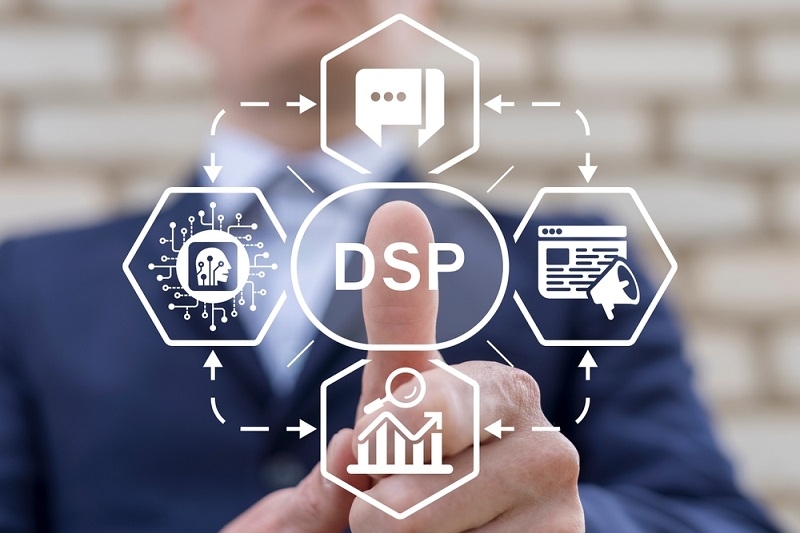
Let’s get real for a second. The secret sauce of any DSP is data. Without it, a DSP is just a fancy piece of software. With it? Pure magic. DSPs analyze mountains of data to figure out what’s working and what’s not. They track clicks, impressions, conversions, and all those other metrics that make advertisers giddy. But it’s not just about gathering data; it’s about using it. DSPs use machine learning algorithms to predict trends, identify high-performing placements, and optimize bids. It’s like having a crystal ball, but one powered by math and not questionable mysticism.
Optimizing Budgets Like a Pro
Let’s talk money because that’s what this is all about, right? DSPs are budget wizards. They help you allocate your ad spend in the most effective way possible. If one part of your campaign isn’t performing, the DSP will automatically shift your budget to where it’s getting better results. This kind of flexibility is a game-changer, especially for smaller advertisers who can’t afford to waste a single dollar. It’s like having a personal financial advisor for your ad campaigns.
Transparency and Reporting
If you’re a numbers nerd (or just someone who likes to know where their money’s going), you’ll love the reporting features of a DSP. They give you detailed insights into every aspect of your campaign—who’s clicking, where they’re coming from, how much you’re spending, and how much you’re earning. This transparency is a big deal. It helps you make informed decisions, tweak your strategy, and prove to your boss (or yourself) that your advertising efforts are paying off. Plus, there’s something deeply satisfying about seeing those metrics climb.
The Future of DSPs
Let’s get futuristic for a second. DSPs aren’t just about buying ads anymore—they’re evolving into full-blown marketing hubs. With advancements in AI and machine learning, they’re getting even better at predicting trends, personalizing ads, and optimizing campaigns. As new advertising channels emerge (hello, connected TV, and voice search), DSPs are ready to adapt. They’re the Swiss Army knives of the advertising world, constantly evolving to meet the needs of advertisers.
Common Misconceptions About DSPs
Let’s clear up some confusion because, let’s face it, DSPs aren’t always the easiest concept to wrap your head around. One common myth is that DSPs are only for huge corporations with unlimited ad budgets. Not true! Whether you're running a small boutique campaign or managing a multi-million-dollar strategy, DSPs scale to fit your needs. Another misconception? They’re overly complicated. Sure, there’s a bit of tech jargon to wade through, but modern DSPs are surprisingly user-friendly. Plus, many come with excellent customer support or tutorials, so you’re never flying blind. Basically, DSPs are the equalizer in digital advertising!
Wrapping It Up
At the end of the day, a DSP is every advertiser’s secret weapon. It takes the complexity out of digital advertising, making it easier to run campaigns that actually work. From real-time bidding to audience targeting to budget optimization, it handles the nitty-gritty so you can focus on the big picture. Sure, there’s a learning curve, and it might seem a bit intimidating at first. But once you see how much time, money, and stress it saves you, you’ll wonder how you ever lived without it. So, whether you’re a seasoned pro or a newbie to the ad world, it’s time to embrace the power of DSPs and take your campaigns to the next level.